
Want to know what people really think about your brand? You need to listen. Not just to comments on your posts, but to the full conversation happening about your brand, your competitors, and your industry across the internet. That’s where social listening tools come in.
These tools track what people say online. They help you understand your customers better, catch problems early, and find new ways to grow.
Why Your Brand Needs Social Listening Tools
Millions of interactions are conducted daily on social media, discussion platforms, blogs, and review platforms. Some mention your brand.
Other people talk about what you sell. It is impossible to read through all such conversations manually. Social listening applications do most of the work.
- Spot Trends Before They Blow Up
New ideas, products, or topics are discussed online with people before they become mainstream. These trends can be identified at an early stage by social listening tools.
According to research, 93 percent of consumers believe the brands should follow the online culture. By spotting a trend at the right time, you are able to produce timely and relevant content.
- Understand What Your Customers Actually Care About
Social listening allows you to listen to truthful talks. You get to know what interests people in products such as yours and what makes them feel frustrated.
This knowledge can assist you in producing improved products, generating superior content, and serving customers in a superior fashion.
- Protect Your Brand Reputation
A single angry customer tweet has the potential to turn into a PR crisis in case you do not respond in time. Even if people do not mention your brand, social listening tools monitor every mention of your brand.
It is possible to respond quickly when you notice negative discussions at an early stage. Swift reaction may make an adversary a supporter.
- Find People Ready to Buy
The majority of consumers (81%) indicate social media influences them to spontaneously purchase goods several times a year. The social listening tools will assist you in locating these opportunities.
Best Complete Social Listening Tools
1. BuzzSumo
Best for Content Discovery and Performance Tracking
Pricing: Starts at $199/month (annual billing)
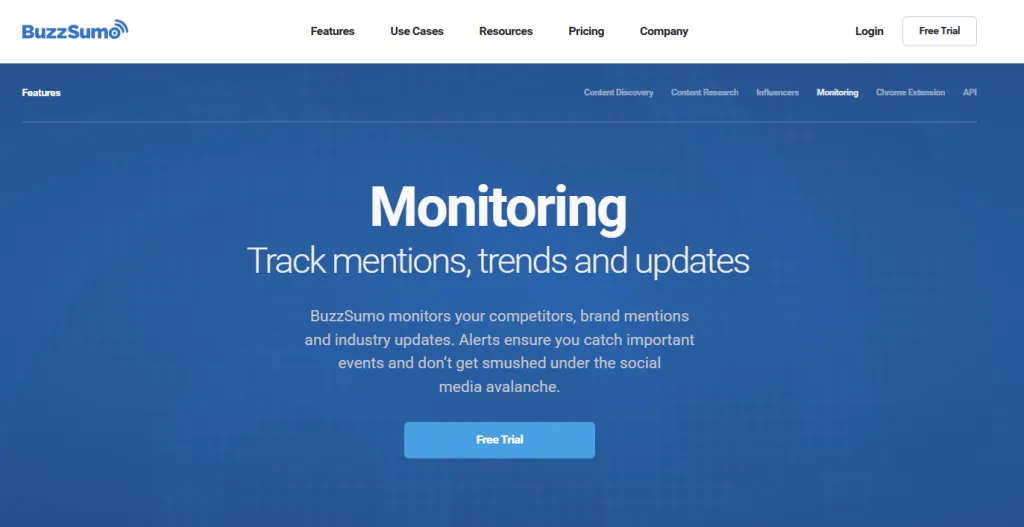
BuzzSumo helps you find what content performs well in your industry. It shows you which articles, videos, and posts get the most engagement. The tool identifies influencers talking about topics related to your brand.
What Makes BuzzSumo Stand Out:
Content research shows trending topics before they peak. Competitor analysis shows what’s working for similar brands. BuzzSumo tracks how your content performs across platforms.
Integrations: Slack, Salesforce, Canva, Hootsuite, Buffer, Microsoft Teams, Trello, Mailchimp, and Google Sheets.
| Pros | Cons |
|---|---|
| Great for discovering trending content early and understanding what topics perform well in your industry | Limited historical data reduces ability to analyze long-term patterns. |
| Excellent for competitor analysis and influencer discovery to shape content strategy. | Doesn’t fully cover newer or emerging social platforms yet. |
2. Hootsuite
Best for Deep Cross-Platform Listening
Pricing: From $21/user/month (annual billing)
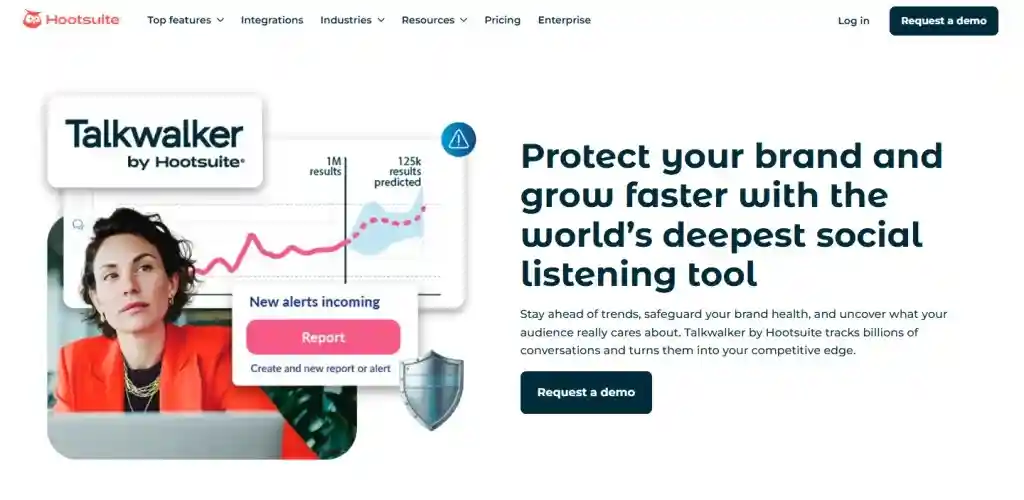
Hootsuite is an integration of social media management and strong listening tools. It has acquired Talkwalker and now provides enterprise listening on millions of websites and social of course. You are notified in real-time of important conversations.
What Makes Hootsuite Stand Out:
Personalized topics of listening concentrate on the issues of importance. The Boolean search develops complex queries. Crisis notifies you when you get a mention of a spike or sentiment changes. Trends can be analysed using historical data.
Integrations: Facebook, Instagram, Twitter, LinkedIn, YouTube, Pinterest, TikTok, WordPress, Slack, Microsoft Teams.
| Pros | Cons |
|---|---|
| Powerful cross-platform listening with deep analytics and enterprise-level monitoring. | The interface can feel cluttered due to many features. |
| Unified dashboard simplifies managing posts, messages, and performance across multiple platforms. | Steeper learning curve compared to beginner-friendly tools. |
3. Agorapulse
Best for Teams New to Social Listening
Pricing: From $79/user/month
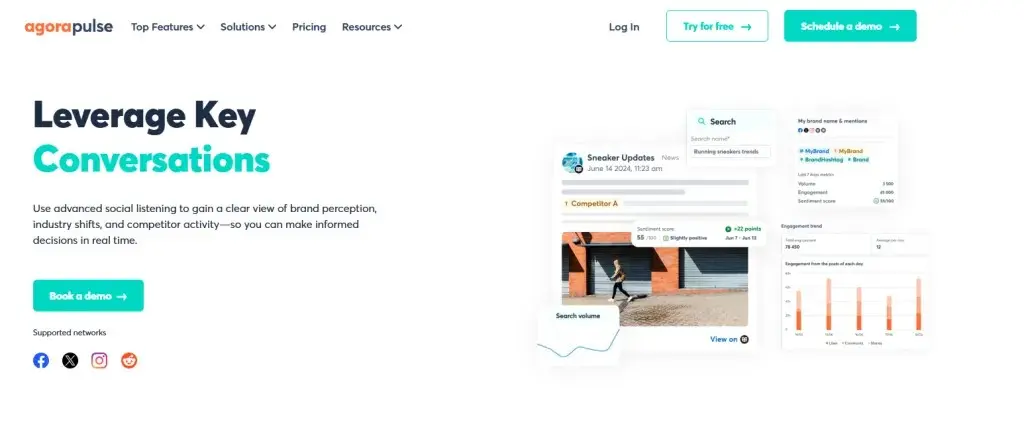
Agorapulse created a tool not only for data analysts, but to ordinary people. The inbox is integrated to contain the messages and comments across all platforms. Your team will be able to respond to all things without having to switch tools.
The Uniqueness of Agorapulse:
Content scheduling keeps posts organized. The social inbox organizes the discussions in such a way that nothing is lost. Reporting will present the performance measures without flooding you with figures.
Integrations: Slack, Salesforce, Buffer, HubSpot, Google Analytics, Trello, and Google Sheets.
| Pros | Cons |
|---|---|
| Very beginner-friendly with a clean layout and easy onboarding for teams new to social listening. | Limited language support makes it less ideal for global brands. |
| Unified inbox ensures no comments or messages get missed. | Weaker third-party integrations compared to enterprise tools. |
4. Digimind
Best for Growing Global Teams
Pricing: Contact for a quote
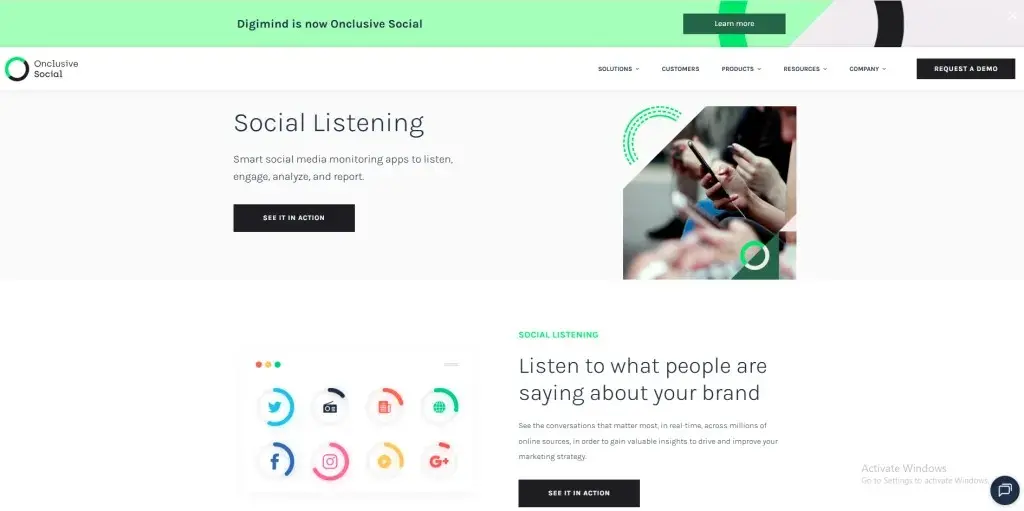
Digimind handles multiple languages and global coverage better than most tools. In case your brand is in the localities of other countries, then you require a tool that speaks the local language. The platform increases with the size of your team.
What Makes Digimind Stand Out:
Multilingual support tracks conversations in dozens of languages. Competitive intelligence presents what the competitors do in each market. Collaboration aspects enable groups in remote areas to work together effortlessly.
Integrations: Hootsuite, Salesforce, Tableau, HubSpot, Microsoft Teams, Google Analytics, Zendesk.
| Pros | Cons |
|---|---|
| Strong multilingual support makes it great for brands operating in multiple countries. | Limited integrations with other software tools. |
| Scales easily for growing teams and global operations. | No public pricing, making budgeting more difficult. |
5. Buffer
Best for Small Businesses on Tight Budgets
Pricing: From $5/user/month
Buffer built its reputation on being simple and affordable. Small businesses can start with the free plan and upgrade as they grow. The tool focuses on essential features without overwhelming you.
What Makes Buffer Stand Out:
The user interface makes scheduling content quick. Analytics show what works without requiring a data scientist. Content suggestions help when you’re stuck for ideas.
Integrations: Facebook, Twitter, Instagram, LinkedIn, Pinterest, Feedly, Pocket, Slack, Shopify, Google Analytics.
| Pros | Cons |
|---|---|
| Extremely easy to use with a clean interface, ideal for small teams. | Limited analytics and social listening features. |
| Affordable pricing with reliable scheduling tools. | No live chat support for quick troubleshooting. |
6. Sprout Social
Best for B2B Marketing Teams
Pricing: From $199/seat/month (annual billing)
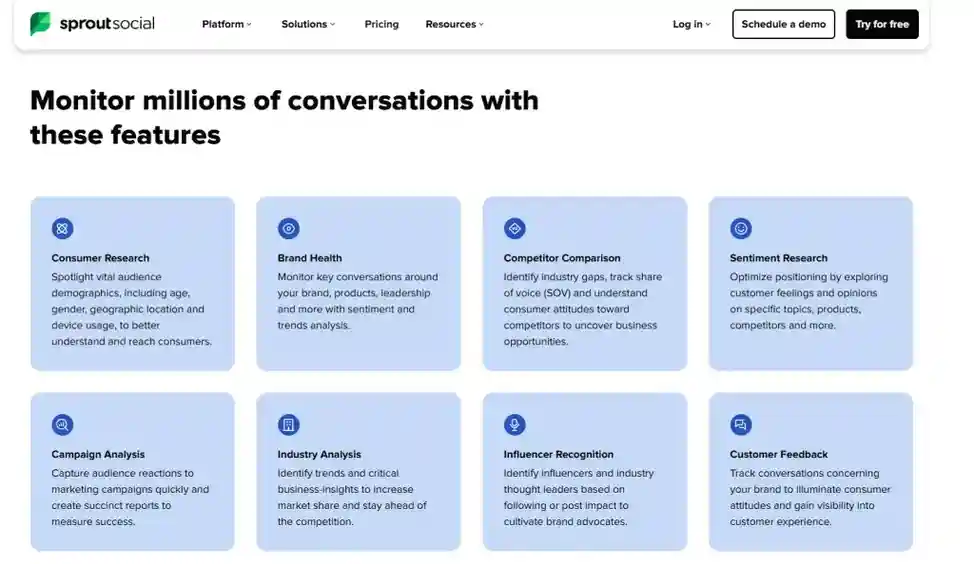
Sprout Social targets professional teams that need deep analytics and strategic insights. The smart inbox uses AI to prioritize messages based on sentiment and urgency. Integration with Salesforce connects social data with your CRM.
What Makes Sprout Social Stand Out:
Smart inbox consolidates everything with sentiment analysis. The publishing calendar maintains consistent messaging. Advanced analytics provide comprehensive reports. Social commerce integrations connect with Facebook Shops and Shopify.
Integrations: Facebook, Instagram, LinkedIn, TikTok, Pinterest, Threads, YouTube, X, Salesforce, WhatsApp.
| Pros | Cons |
|---|---|
| Deep analytics and reporting ideal for B2B and data-driven teams. | Higher pricing, especially for multi-seat teams. |
| Smart inbox prioritizes messages by sentiment and urgency. | Limited listening capabilities for newer social platforms. |
7. Keyhole
Best for Hashtag Campaign Tracking
Pricing: Contact for a quote
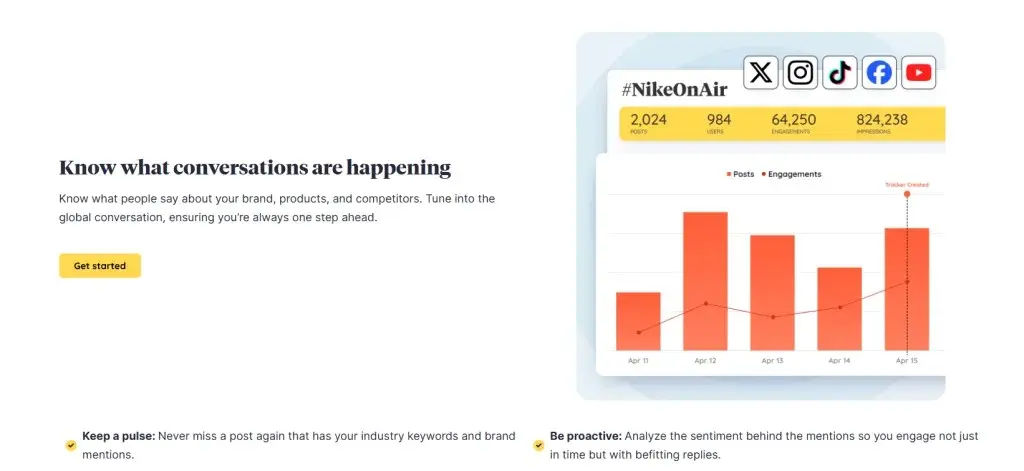
Keyhole gives you detailed hashtag tracking. The platform shows exactly how campaigns perform over time. Real-time tracking lets you monitor campaigns as they happen and adjust immediately.
What Makes Keyhole Stand Out:
Comprehensive hashtag metrics track reach, impressions, and engagement. Influencer identification shows who’s driving the conversation. Historical data helps you compare campaigns.
Integrations: Twitter, Instagram, Facebook, YouTube, Slack, LinkedIn, and Google Analytics.
| Pros | Cons |
|---|---|
| Excellent hashtag and campaign tracking with real-time metrics. | Data limits on lower-tier plans. |
| Easy-to-read visuals make campaign performance simple to understand. | Real-time tracking can be slower compared to competitors. |
8. Meltwater
Best for PR and Communications Teams
Pricing: Contact for a quote
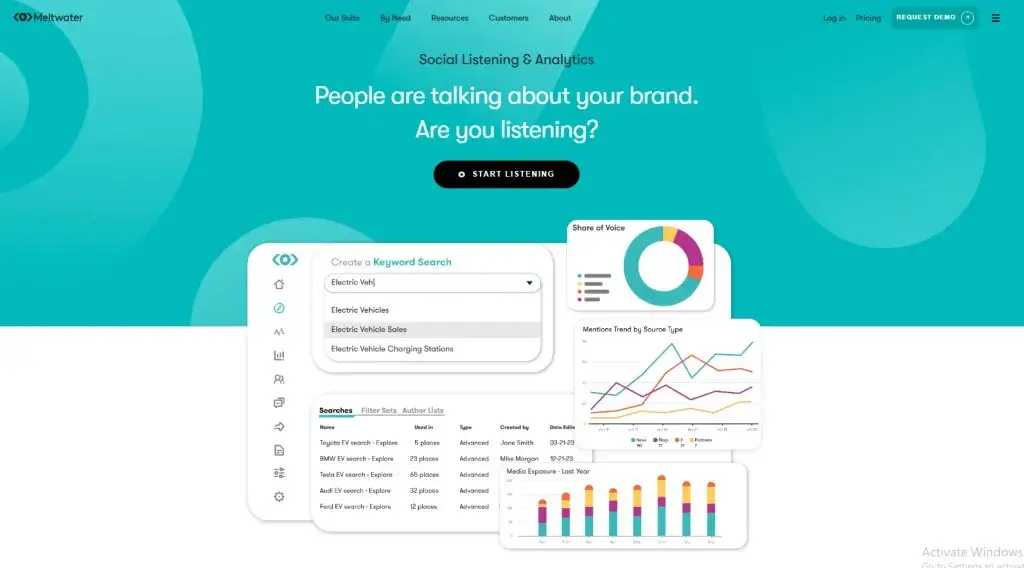
Meltwater captures more than just social media. The platform monitors news sites, blogs, forums, and traditional media alongside social channels. Historical data helps you research how conversations evolved over time.
What Makes Meltwater Stand Out:
Real-time monitoring catches potential crises early. Audience analysis shows who’s talking about your brand. Media monitoring covers traditional press alongside digital channels.
| Pros | Cons |
|---|---|
| Monitors social + traditional media, great for PR teams. | No transparent pricing, making comparisons difficult. |
| Strong historical data for analyzing long-term brand trends. | More complex interface with a learning curve. |
9. Brandwatch
Best for Large Enterprise Organizations
Pricing: Contact for a quote
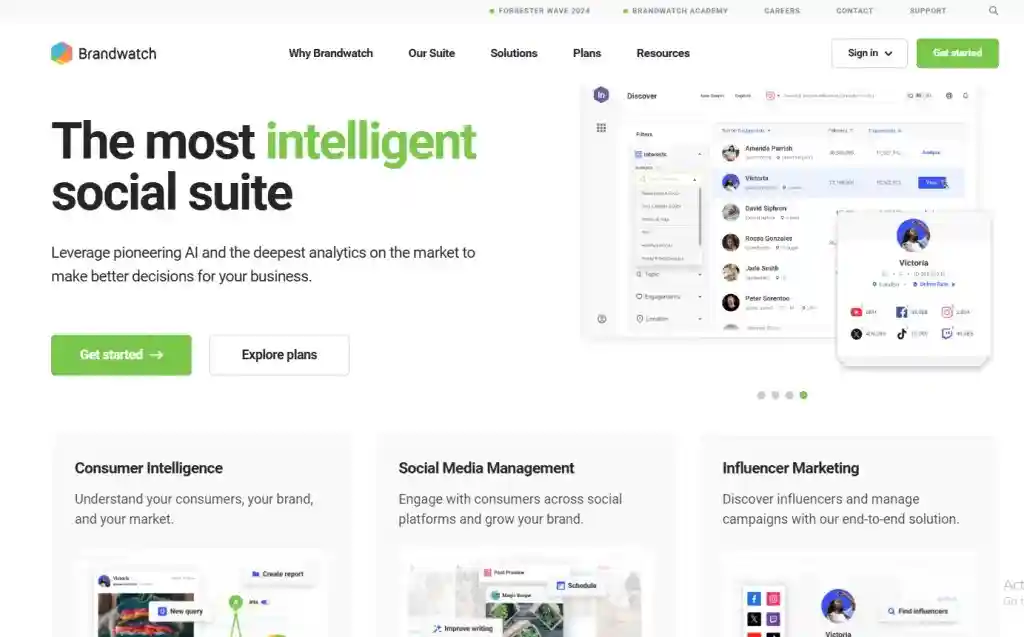
Brandwatch is dealing with huge volumes of data, processing 500 million posts daily. AI-driven insights help you identify trends that you otherwise would not have done manually. In the case of big firms whose activities are global, this size is significant.
What Makes Brandwatch Stand Out:
Its coverage cuts across the social media, news, blogs, forums and review sites around the world. Advanced analytics go deep into demographics and behavior of the audience. Individualized dashboards allow the various teams to access the information they require.
Integrations: Adobe Analytics, Slack, Salesforce, Tableau, Hootsuite, Microsoft Teams, Adobe Experience Manager.
| Pros | Cons |
|---|---|
| Handles very large data volumes, ideal for enterprise brands. | Limited access to older historical data without upgrades. |
| Advanced AI insights provide deep audience and sentiment analysis. | Expensive, with no publicly listed pricing. |
10. Brand24
Best for Sentiment and Brand Protection
Pricing: From $149/user/month (annual billing)
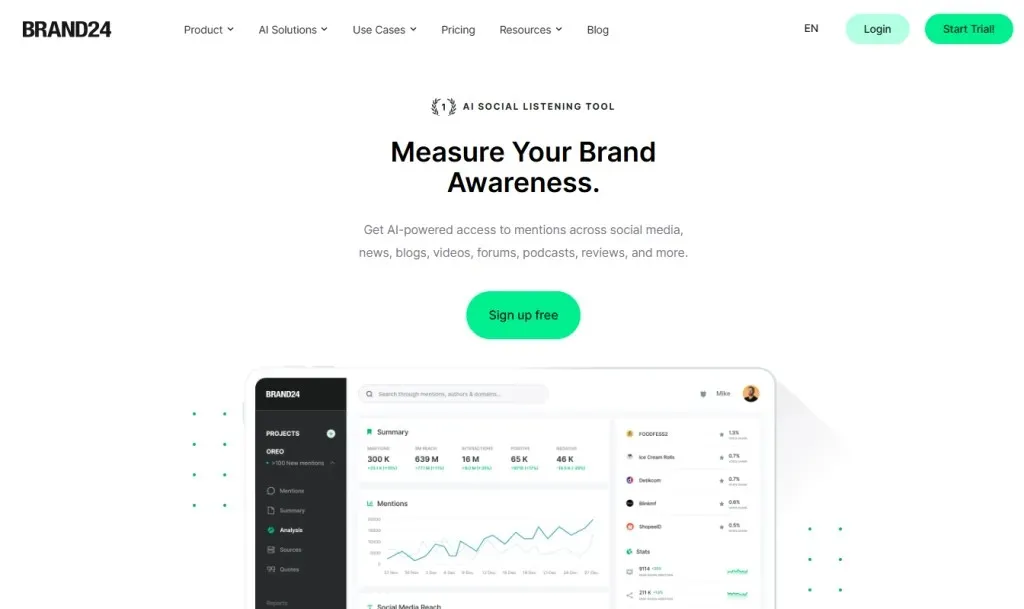
Brand24 is a tool that tracks mentions on social media, blogs, forums and news websites. You will be immediately alerted about important conversations happening in real-time. It is a good sentiment analysis tool that does not only indicate what people say, but how they feel.
What Makes Brand24 Stand Out:
Social listening is a conversation that is recorded in most platforms. Volume discussions indicate when there are high and low points of conversation.
Message amplifiers are found on influencer scoring. The customizable alerts keep you informed of what is important to you.
Integrations: Slack, SEMrush.
| Pros | Cons |
|---|---|
| Excellent sentiment monitoring with fast real-time alerts. | Limited language support for global brands. |
| Beginner-friendly with strong value for money. | Needs more data sources for broader coverage. |
11. BrandMentions
Best for Sentiment Analysis Accuracy
Pricing: From $79/month
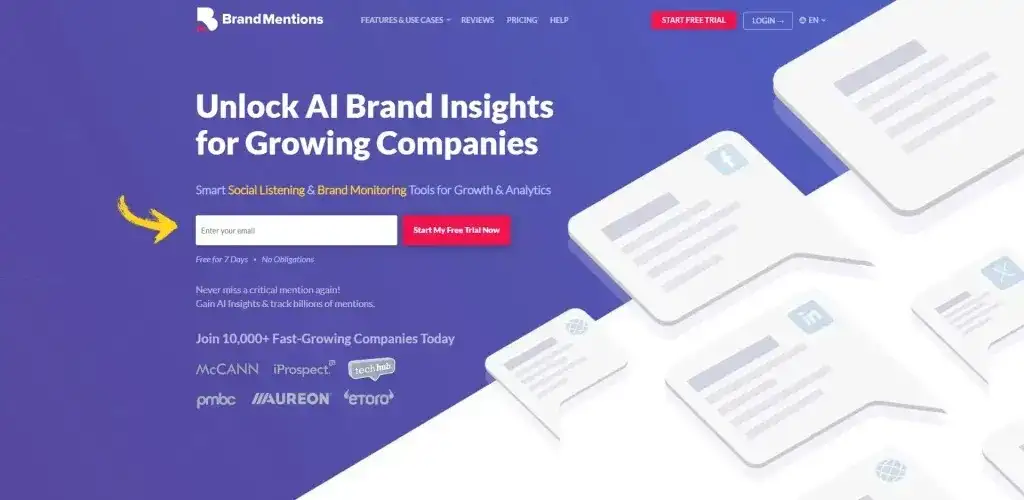
BrandMentions follows your brand on social media, news websites, blogs, forums, and niche communities. The sentiment analysis is much more than the positive/negative tagging; it identifies emotional variation and tone.
What Makes BrandMentions Stand Out:
Follow-ups allow you to see what is going on in real-time. Sentiment and emotion are also captured at an advanced level indicating underlying feeling behind mentions.
Trend discovery indicates the current topics. You receive alerts on major changes which are AI-driven.
Integrations: X, Facebook, Instagram, YouTube, LinkedIn, Bluesky, Yelp, Slack, Microsoft Teams, Salesforce, Zendesk, Google Data Studio, and Tableau.
| Pros | Cons |
|---|---|
| Very strong sentiment and emotion detection accuracy. | Historical tracking is limited to lower plans. |
| Good competitor tracking and trend discovery features. | The mobile app needs significant improvement. |
12. Awario
Best for Solo Business Owners
Pricing: From $29/user/month (annual billing)
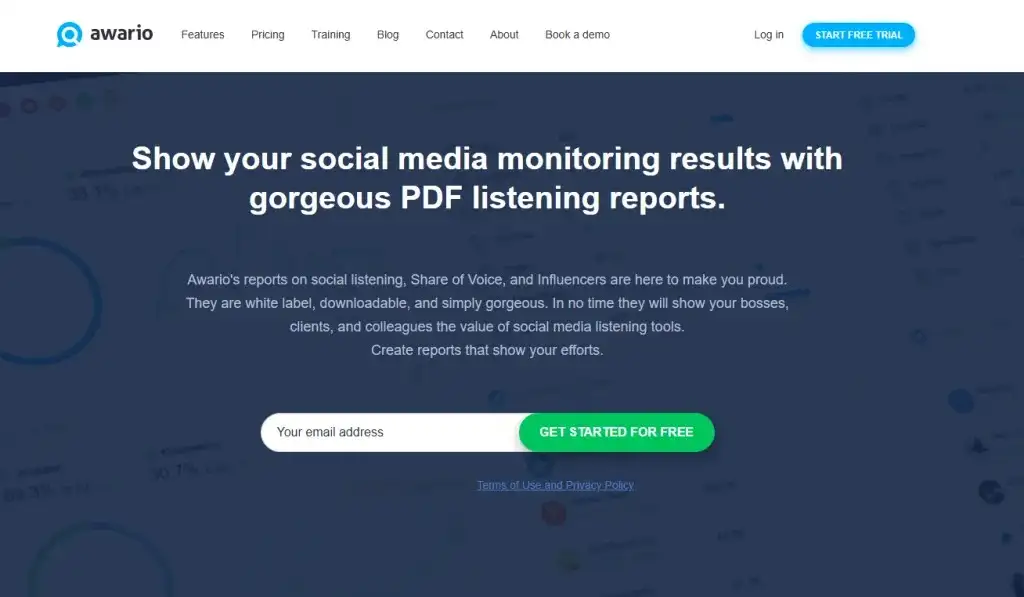
Awario is aimed at very small businesses and solopreneurs. The pricing is affordable and competitive yet presents good listening capabilities. Beyond monitoring, the tool helps identify sales opportunities.
What Makes Awario Stand Out:
Live tracking ensures you are updated on various platforms. Sentiment analysis demonstrates the level of emotion of people towards mentions. It does not overwhelm you with reports and analytics that present data in an understandable manner.
Integrations: Slack, Salesforce, Google Drive, HubSpot, Microsoft Teams, Trello, Google Analytics, and Google Sheets.
| Pros | Cons |
|---|---|
| Budget-friendly and ideal for solopreneurs or small businesses. | Data processing can lag during high-volume spikes. |
| Easy interface with clear, digestible reports. | Limited Boolean search operators for advanced listening queries. |
No Spam. No calls. Unsubscribe anytime.
13. Talkwalker
Best for Tracking Brand Mentions Across All Channels
Pricing: Contact for a quote
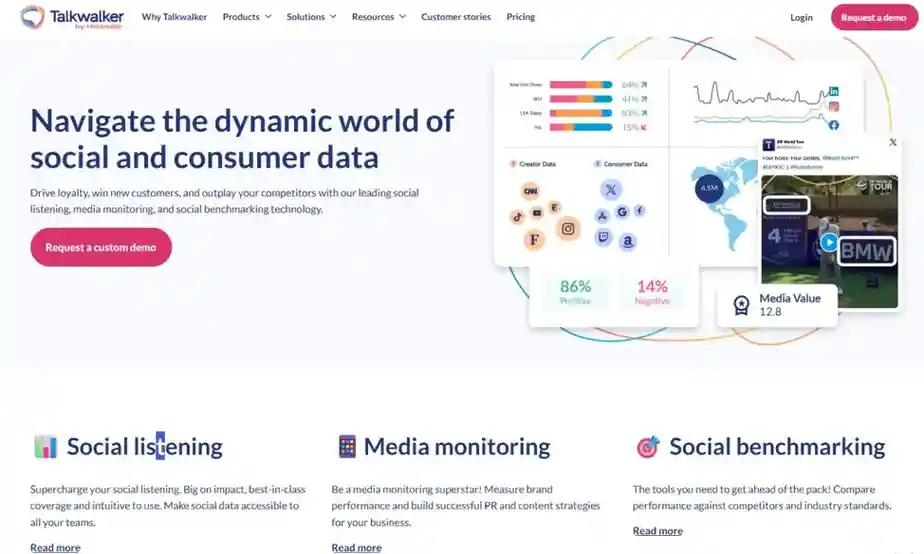
Talkwalker tracks the brand mentions in social media, news, blogs, forums, review sites, etc. The media monitoring features are used to monitor both traditional news reporting and digital discussions.
What is Unique about Talkwalker:
Social benchmarking involves the comparison of performance with other competitors. The insights of the audience give comprehensive demographic information.
Customer feedback analytics will enable you to get better by real contributions. The AI generative tools improve analysis.
| Pros | Cons |
|---|---|
| Comprehensive monitoring across social, news, blogs, and review channels. | High pricing makes it less accessible to smaller teams. |
| Strong visual analytics and benchmarking tools. | Steep learning curve due to advanced features. |
Pick the Right Tool for Your Brand
Every brand needs to listen, but not every brand needs the same tool.
Small businesses and solopreneurs should look at Buffer or Awario. Growing teams should consider Agorapulse or Digimind. Large enterprises and B2B brands need powerful platforms like Brandwatch, Sprout Social, or Meltwater.
The right tool depends on your budget, team size, and specific needs. Most platforms offer free trials. Test a few options to see which interface makes sense for your team.
Social listening tool isn’t optional anymore. Your customers talk about your brand whether you listen or not. The question is whether you’ll hear what they say and use that information to get better.
