
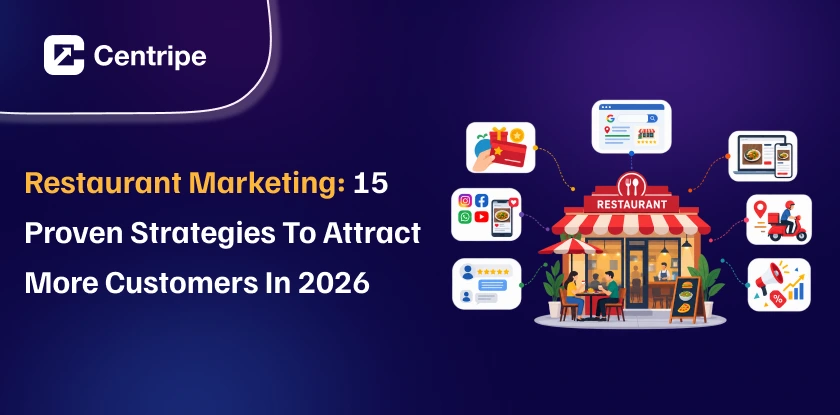
For restaurants, the competition has increased. Even if you serve great food, customers need a reason to walk through the door.
How can they become repeat customers without trying the food and service themselves?
Restaurant marketing attracts customers, shows what makes your brand unique, and encourages visits. A good marketing strategy creates awareness to bring in new customers.
Consistent marketing is key, whether you run one restaurant or many. It keeps your business visible, draws in more customers, and encourages recommendations.
What Is Restaurant Marketing?
Restaurant marketing promotes a restaurant to attract visitors. It encourages people to dine there and keeps them connected after their meal.
It includes online and offline marketing. This helps restaurants connect with their target audience and grow their brand.
You might have noticed that generic marketing doesn’t bring the desired results. Especially for restaurants, it has to be specific. It has to resonate with the preferences of the customer base.
When you show them what they like, and they come to experience it at your restaurant, that is what a successful restaurant marketing strategy looks like. Hence, the marketing strategy should be well-planned, relevant, connect with local customers, and maintain a strong brand presence.
How Can You Market Your Restaurant and Attract More Customers? 15 Restaurant Marketing Ideas
1. Make It Easy for Customers to Find Your Restaurant
First, build a presence on your Google Business Profile. Upload videos and photos of your restaurant. Include nearby landmarks, food pictures, the dining area, and any other amenities you have.
Do local SEO. This way, if someone types “best restaurant near me,” your restaurant is more likely to show up. The same goes for “best dining experience in my city.”
Keep your business hours, contact details, menu, and location updated. This way, customers can easily find the information they need. An updated online profile can help people choose your restaurant. Most folks check online before visiting, so having complete information is key.
2. Give Customers a Reason to Choose Your Restaurant
As I said earlier, even though you serve great food, you need customers to come and experience it. That’s the first thing you need to do in restaurant marketing.
Create your brand by keeping everything consistent. From the food taste to the menu presentation, website, and photos, everything should follow a particular theme.
It’s important to think this way: if someone recommends your restaurant, what if their friends don’t enjoy it when they visit?
A consistent brand helps set the right expectations before they even walk through your doors.
3. Share Food That People Want to Try
Social media is about trends. Here’s how simply you can use the ideas. Look out for food reels or food items that is trending in other cities or states. If you have that dish, then create the reel using it. If you don’t, then introduce that dish in your locality.
Share that food reel on Instagram, Facebook, and TikTok. You can use behind the scenes videos like how you are making the dish and what ingredients to use. Share the long-format videos on YouTube.
Share customer reactions, chef’s special dish, festival menu, or newly introduced food items. This will keep the audience interested and engaged.
Ask customers to tag your restaurant if they post their dining experience on social media. So it will reach more people and build trust.
You can also invite local food influencers or food bloggers to try your restaurant. Ask them to share their honest experience with their audience. Having local followers helps your restaurant reach potential customers faster.
You can even do restaurant advertising and promote the best performing content for attracting new customers.
4. Turn Every Happy Customer Into a Positive Review
When a customer likes your food and gives a compliment to you in person, that is such a blessing and it increases confidence. But how would others know that someone complimented your food?
Hence, ask them to post Google reviews, give them a direct link, and keep the format simple, so they can write and post.
Make sure that you reply to reviews, whether it is positive or negative. Be it feedback or complaints, you show value to every customer and make them believe that you are ready to improve.
Do the same for TripAdvisor and Yelp. Because every positive review matters. If your customers are comfortable, then click a photo with them and mention good things in the caption, or shoot a short reel- a random one; it doesn’t have to be scripted. The more real it feels, the more chances of being viral is.
5. Stay Connected Even After Customers Leave
After the dining experience and reviews, what comes next is for your teams to put more effort into sending relevant messages to each customer.
Send birthday or anniversary offers. Remind them that they are missing the delicious taste already.
Segment the customer data on the basis of what kind of food they like. Then create campaigns via email. This increases the chances of getting a response, because the content is personalized. Use images of food to make it more tempting.
Send updates about new menu launches, seasonal dishes, and upcoming events. Also, include promotional offers and festive specials. So, the customers are engaged, even when they are not planning to visit immediately.
6. Reward Customers for Coming Back Again
You run the campaigns, you send the message at the right time, and it worked. The customers came back. But don’t just serve them the food this time; give them rewards in terms of discounts or membership offers.
Run Loyalty programs so that they become your repeat customers. This increases your customer base, and they recommend your restaurant to friends and family. Because they find the overall experience amazing.
The rewards should be simple and easy to earn. You can offer points on every visit, a free dessert after a few orders, exclusive member-only offers, and more.
7. Make Ordering and Reservations Effortless
Be present everywhere. Customers don’t like when they have to switch between apps just to book a table.
Keep online ordering simple and easy to use. Let them see the menu using QR, place an order, or even book a table from there. The fewer the steps, the better the experience for your customers.
Give them options on what they would like to eat. Let them customize their order, or mention any special requests. They should be able to choose a convenient time for dine-in or takeaway.
After the booking is confirmed, send them a confirmation message.
8. Keep Your Menu Fresh With Seasonal and Limited-Time Specials
Don’t keep the static menu every time. Introduce seasonal dishes based on festivals, holidays or local events.
Add limited-time specials to create excitement and encourage repeat visits. Highlight the chef’s special dishes or exclusive menu items.
Promote new menu launches on social media, Google Business Profile, email, and SMS. Combine seasonal dishes with meal combos or special offers.
Before you make the seasonal dishes permanent, get customer feedback on it.
9. Host Events That Bring People Together
One of the best restaurant marketing ideas is to organize live music nights and open mic events. This will bring in customers who want both music and food together.
Host food tasting sessions or chef’s special nights. Partner with local artists, musicians, or community groups.
Let everyone know about the event by promoting it on social media, Google, and your website. Collect customer details during registrations, so you can invite them to future events.
10. Let Your Customers Promote Your Restaurant
Sometimes, the best restaurant marketing doesn’t come from the brand itself; in fact, it comes from customers.
When someone shares a photo of your food, it matters. If they check in at your restaurant or recommend it to friends, people trust that more than an ad.
Ask your customers to promote the dining experience on their social media. You can make a unique hashtag or set up small referral programs. Customers can earn rewards for bringing in their friends. This way, it saves money because you are not spending on marketing.
11. Reach More Customers Through Food Delivery Apps
List your restaurant on Uber Eats, DoorDash, and Grubhub. Keep your menu, prices, and business hours updated.
The food photos should be of high quality. Offer combos or limited-time deals for online orders. If someone is a repeat customers, give them more discounts; this will make them feel valuable.
Respond to customer reviews on delivery platforms. Then, with proper strategy, encourage first-time delivery customers to visit your restaurant.
12. Personalize Every Customer Interaction
When I go to a restaurant, and they remember my preferences and favorite dishes. I like it a lot. The taste is good, and they know about my choices. So, the next time I go to the same place.
That’s how every interaction should be. Remember their preferences, and they will come back.
Send them offers for birthdays and anniversaries. Recommend meals based on previous orders. Segment the data using restaurant CRM, based on their previous orders.
Personalization makes every customer feel valued, and the communication stays relevant.
13. Offer Catering and Private Dining Services
Offer catering for corporate events and office lunches. Do the same for birthdays, weddings, and family gatherings.
Promote private dining rooms for special occasions. Create special catering and event menus. Promote these services on social media, website and Google Business Profile.
Customers should be able to submit an inquiry easily and request a quote online. Using the CRM for restaurants, create quotes automatically, book the event, send the confirmation and follow-up via automation.
14. Track What Brings More Customers to Your Restaurant
Track where customers are coming from. Measure reservations and online orders. Monitor repeat customer visits.
Be creative with campaigns, and check which one is performing better. The performance varies across different segmented data. You can make changes for future campaigns after analyzing the reports.
You can track website traffic and social media engagement. These insights are a valuable resource to improve future marketing decisions.
15. Automate Marketing So You Can Focus on Running Your Restaurant
Automate reservation confirmations and reminders. Use the restaurant email marketing features of the CRM, and send follow-up emails automatically after a visit.
Even the requests for customer reviews are sent via automation. Schedule promotional email and SMS campaigns. You can send birthday offers automatically. You can also send loyalty rewards and event invites to the right customers.
Save time and resources by automating repetitive marketing tasks. This lets your team focus on serving customers. It also helps them provide a better dining experience.
How to Build a Restaurant Marketing Plan?
Of the above mentioned 15 restaurant marketing strategies, you don’t need to use every one. First of all, build a plan based on your business goals, budget, and target customers.
How do you want to scale up? What are the parameters that matter most? Know who your ideal customers are. Choose the marketing channels that are more relevant for your restaurant. By relevant, I mean for customers. You don’t have to choose the channel that your team is comfortable with, but instead, which one has more customers.
Create a monthly marketing calendar to plan your campaigns in advance. So, you are well prepared with everything.
Use a CRM for a restaurant to manage customer data, automate follow-ups, and personalize every conversation. So, your team stays organized and delivers a great experience to every customer.
Conclusion
Restaurant marketing is profitable if you are doing it right. When you are spending money to market your restaurant, then check the results regularly to see if the ROI is getting better.
Strategies work when everything is aligned. Teams are working towards a common goal and are using the same tools.
The details in data play a very important role, because it lets you know how to approach the customers. That’s what separates you from others, and people remember you for it.
Frequently Asked Questions
