Omnichannel messaging delivers a great customer experience.
When customers have to explain their issues many times, just to a different person or on a different platform, it is irritating. The customers are more likely to switch to another brand.
Omni channel communication stops that. It brings all the conversations in one unified place. With the help of AI, you can see the whole customer journey at one place and interact.
This creates a sense of harmony, and it helps in enhancing the sales process. It’s not just about connecting the messages; the whole journey is connected.
Omni-channel campaigns achieve 287% higher purchase rates compared to single-channel efforts.
What is Omnichannel Messaging?
Omnichannel messaging brings email, SMS, and social media messages, all in one place. So, teams don’t have to switch between different screens.
Customer’s data is stored, and all the chat history is reflected to the employee interacting with the customer, so that they don’t have to even coordinate with anyone for getting information.
This is crucial for a seamless marketing and sales process. So, the tools manage, co-ordinate and unify all by themselves.
With AI and automation, the chatbots keep the conversation personalized. This makes the customers feel valued and recognize the brand.
Features of Omnichannel Messaging
AI Capabilities
Omnichannel customer support is becoming more AI-based. The AI handles basic tasks automatically, like sending questions to the right person, knowing what kind of tone to be used.
It analyzes data on how customers feel. It suggests the right products to them, so the chances of conversions are higher.
The AI powered chatbots interact with the customers 24×7. The voice AI mimics a human voice, and the responses are natural.
Unified messaging
The whole purpose of Omnichannel messaging is to unify the conversation.
When all the platforms, whatsapp, text messages, email, chat and social media are in one place, employees don’t have to switch between different apps.
It blends in data, so when you are talking, the system will give you suggestions of things that the customers would like.
Consistent and Personalized Experience
What most of the brands and employees like is that the Omnichannel marketing automation isn’t generic.
Even when the bots are interacting with multiple customers at once, it won’t just copy and paste the same message. Instead, it will use the data and send personalized messages to everyone.
The tools remember what customers like and how they have interacted with the brand before.
So, it’s their freedom that they can choose whichever platform or even switch in the middle of the journey, and still the flow of conversation will be the same.
Advanced Analytics
It’s always good to know what’s happening. If the AI is responding to messages, then look at reports to see how well it is performing.
The analytics lets you know which messages actually lead to sales by looking at every interaction along the way.
You can see how many people open messages, click links, reply and buy things on each channel.
Even the patterns are spotted, and the system predicts how likely the lead will convert to sales.
How to Create an Effective Strategy for implementing Omnichannel messaging?
Step 1: Bring Data Together
- Check all separate data systems (CRM, email, and social media).
- Use a central system to combine customer information into one complete picture.
- Clean up and remove duplicate data for correct lead matching.
- Leads are helped with combined profiles that allow the same tracking across all channels.
Step 2: Connect Your Channels
- Pick the top 3-5 channels based on what customers use (SMS, WhatsApp, email).
- Connect them using a messaging platform.
- Make sure conversations continue when switching between channels.
- Leads are guided through smooth multi-channel journeys without repeating information.
Step 3: Make It Personal
- Group leads by their actions, stage, and what they like.
- Build automatic journeys with if-then rules and changing content.
- Use AI to find favorite channels and improve messages in real time.
- Leads are guided with closely matched offers that boost sales by 30%+.
Step 4: Measure and Improve
- Set goals: response rates, channel tracking, customer value impact.
- Use dashboards that show all channels and track every touchpoint.
- Test different message versions each week.
- Leads are guided better over time as you learn which methods work best.
Case Study:
Sephora
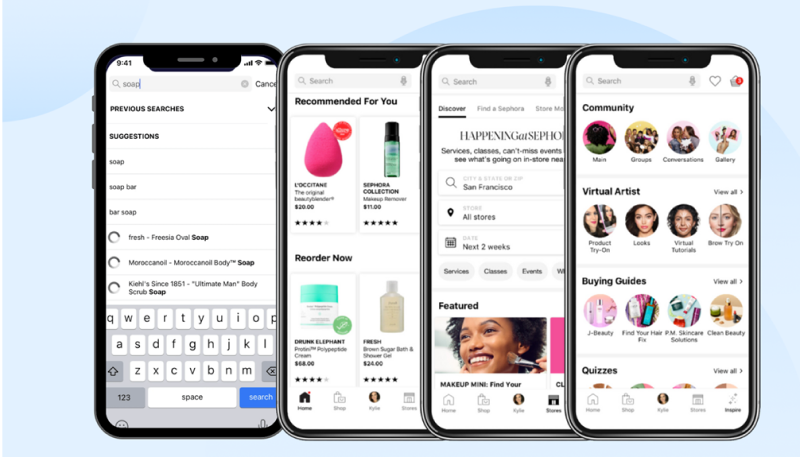
One of the biggest beauty brands uses Omnichannel messaging, integrating digital and physical channels.
The system uses customer data from app interactions, in-store scans, emails, SMS, push notifications and social media for hyper personalization.
It was the first beauty brand to implement virtual try-on AR tools. The AI recommendations deliver tailored product suggestions.
Shoppers can scan store items in-store via mobile app for instant online offers or even chat with advisors who have access of full history.
CHRIST JEWELLERS
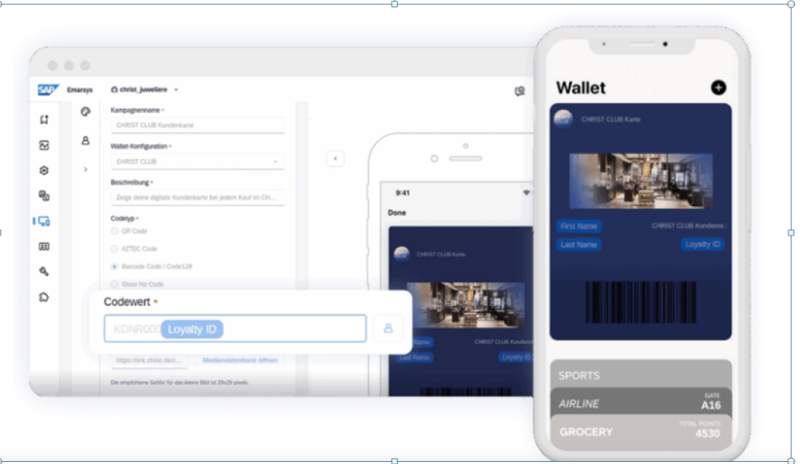
It is Germany’s leading Omnichannel jewellery retailer that integrates online and offline stores.
It unifies customer data across web, app, SMS, email, and in-store interactions.
It focuses more on mobile first personalization for more impressions and an increase in conversions. Store services like repairs are linked to online orders, and branding is done consistently.
Loyalty programs trigger cross-channel offers, while cloud tech cuts load times for frictionless journeys.
How AI Works in Omnichannel Messaging?
I remember how difficult it was before, when customers had to wait in long queues just to get answers to basic queries.
When they were finally connected with an agent, they had to explain everything again.
73% of customers switch between at least three channels in their journey, while 80% say the experience matters as much as the product itself.
Generative AI is dependent on the prompts input by users; the AI in Omnichannel works independently and can handle customer chats without human help.
The AI connects smoothly with your current systems and platforms.
It learns from every conversation. Each time it talks with a customer, it gets better.
AI understands the preferences of each customer. It looks at their past actions and what choices they made.
This connects with the kind of messages it sends. It sums up the data and frames it into an attractive message that resonates with the receiver.
Personalization is the key element here. No one likes a generic message anymore. AI creates unique messages for each person.
AI understands what each customer needs. It looks at their past actions and choices. This helps it know exactly what to send and when to send it.
Why businesses should adopt Omnichannel messaging now?
BENEFITS
1. Helps in Customer Engagement
It’s bad when brands force them to move to a different platform. When customers can reach you on their favourite platform, they like it.
They don’t have to switch apps or repeat themselves. So, talking to your brand makes it easy and fun for them.
When customers feel heard on any channel, they interact more and stay connected with your brand.
2. Agent Productivity is Increased
When agents get help from AI, the team can handle multiple chats from one screen.
They see the full conversation history right away. No time is wasted searching for information.
Agents can solve problems faster and help more customers. So less stress and better work performance.
3. ROI is Increased
Omnichannel platform turns more leads into paying customers. Deal management becomes easier because of it.
You spend less money reaching people because you are using the channels they already prefer.
Marketing campaigns do wonders when personalized messages are sent. These conversions are what lead to more sales with the same budget.
4. Better Customer Satisfaction
When all the touch points are taken into consideration, and every requirement of customers is fulfilled, they feel connected with the brand and are satisfied.
So, they buy again from your business. Also spread positive word about your brand, which brings in more leads.
5. Stay Ahead of Competitors
You stay ahead of businesses that are using single-channel methods.
By adopting multi-channel messaging now, you stand out. You offer better service than others in your industry.
Customers choose brands that make their lives easier. Being an early adopter gives you a big advantage in winning and keeping customers.
Especially, Omnichannel in CRM for agencies has become vital. Marketing agencies have to interact with leads every time, and this has made their work easier.
4 Best Tools for Omnichannel Messaging
1. Centripe
Centripe is a marketing agency focused on software. It has an advanced level of Omnichannel messaging.
It brings WhatsApp, SMS, email, FB Messenger, and Instagram into a single inbox.
AI automates lead nurturing with personalized flows, CRM syncing, and white-label dashboards.
Perfect for marketing teams expanding client campaigns. It boosts reply rates by 40% using smart routing and analytics.
2. GoHighLevel
GoHighLevel helps small businesses with all-in-one SMS, email, voice, and social messaging.
You can easily use drag-and-drop builders.
Multi-channel funnels nurture leads seamlessly, integrating calendars and payments.
Custom snapshots enable agency white-labeling; AI conversation AI handles 24/7 responses. Conversion lifts 3x for sales teams.
3. Zendesk
Zendesk brings together support from email, chat, WhatsApp, SMS, and social media. It uses AI for routing and bots.
Agents can view complete conversation histories for smooth handoffs. Analytics monitor CSAT and resolution times.
Scales for enterprises, 90% automation potential. Enterprise-grade security.
4. Twilio
Twilio Flex offers programmable APIs for custom SMS, voice, WhatsApp, and email orchestration.
Dev-friendly with real-time personalization and global reach; builds tailored contact centers. Perfect for high-volume ops needing flexibility.
The user interface is great. Even the beginners can start using it immediately and doesn’t take time to setup.
Conclusion
Omnichannel messaging helps you build a loyal customer base. It takes care of their needs, the AI interacts with them, and makes them feel valued.
Every type of business can take advantage of this. E-commerce, retailers, marketing agencies, car dealers, and more.
A significant development in AI has made the tools even stronger and more powerful.
Businesses get better visibility, smarter insights, and higher ROI, using intelligent decision making.
Your brand should stand out from others, so customers can vouch for you. This can be done through Omnichannel communicaton.
No Spam. No calls. Unsubscribe anytime.
Frequently Asked Questions