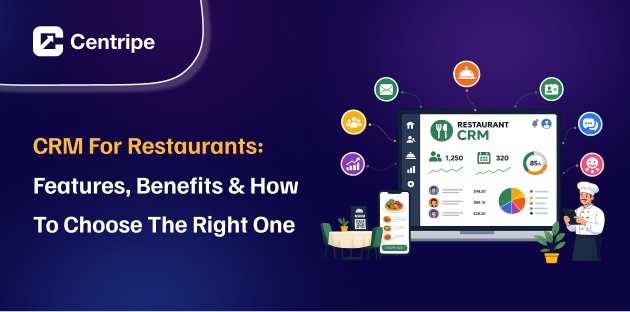
Quick Answer : A CRM for restaurants is software for managing customer relationships. It stores guest preferences. It tracks order history. It helps encourage repeat visits. The goal is to offer a personalized experience by keeping all details in one place.
When the restaurant gets busy, it’s hard to remember each guest. It’s tough to recall their favorite dish, birthday, anniversary, or past order. That’s where a Restaurant CRM helps. It organizes customer data.
It automates follow-ups. It sends special occasion messages. It helps you create a memorable dining experience that brings customers back.
What Is a CRM for Restaurants?
CRM for Restaurants helps you understand and manage customers. You can also handle reservations, orders, and marketing all in one place. This builds better customer relationships, boosts repeat visits, and gets more reservations.
Customer information has contact details. It also includes visit history, favorite dishes, and dining preferences. AI and automation send personalized offers. They also send birthday wishes, reservation reminders, and follow-up messages.
You can manage loyalty programs. You can run marketing campaigns. You can collect customer feedback and reviews. All of this is in one place.
A restaurant CRM helps cafés and restaurants. It also supports QSRs, fine dining, cloud kitchens, and multi-location chains. This tool improves customer experience. It encourages guests to return.
Why Do Restaurants Need a CRM?
When all the tables are full, you are busy serving customers, and your team often forgets about communicating with your customers on different platforms. The data is scattered across POS, bookings, delivery apps, and reviews. You don’t know who your regular customers are, who has stopped visiting, or who should receive a special offer.
You are getting the delivery orders, but don’t know how to re-engage the customers. Promotions become too generic, resulting in fewer conversions. Every guest requires a different and personalized message to interact with. You forgot to take the review.
A CRM in restaurants solves all these issues. It brings customer data into one place and helps you stay connected with every guest. This makes it easier to increase repeat visits, send personalized communication, and build long-term customer relationships.
According to PwC’s Voice of the Consumer Survey 2024, nearly 50% of consumers are willing to share their personal data if it helps businesses provide personalized services and experiences.
How Does a Restaurant CRM Work?
Restaurant CRM software collects information from different sources, such as reservations, walk-ins, online orders, delivery apps, your website, and the POS system.
Now, all this information is used to create one customer profile, which includes their favorite dishes and dining preferences.
AI sends personalized offers, reservation reminders, birthday wishes, thank-you messages, and review requests at the right time, when you are busy serving the tables. It also handles calls, chats, and reservations.
Customers’ records are updated after every interaction, which helps you understand the behavior better and identify which customers are loyal. You get to know which guests are inactive, and which are high valued diners.
If you have a restaurant with multiple locations, it shares customer data on one screen, so that any of the members can access and marketing activities are organized across all branches.
This automated process saves your team’s time, improves customer communication, and encourages more repeat visits without adding extra manual work.
Note: Increasing customer retention rates by 5% can raise profits by 25% to 95%
Key Features Every Restaurant CRM Should Have
- Customer Management
Managing customers should be easy and smooth, rather than a hectic task. CRM for restaurants helps your team understand them better and give them a great experience.
The moment a customer enters your restaurant, it starts collecting details and offers them services that they would love. Food isn’t the only thing that customers care about. They want to be treated in a way that makes them feel valued.
Centripe.ai lets your team instantly recognize returning guests, greet them personally, and know their preferences without asking any questions. This makes customers happy, and gives your staff confidence to provide faster and more personalized service.
Personalization has become a customer expectation. Mastercard reports that more than 80% of consumers under 40 value personalized recommendations when ordering food digitally.
- Reservation & Table Management
Your website should be interactive and resourceful. The system should accept online table reservations from the website and other booking channels. Even the social media dm can be used to book a table.
Manage all reservations from one dashboard. Show real time availability to prevent any double bookings. Automatically, the booking confirmations are sent.
To reschedule or cancel reservations becomes easy. Tables are assigned based on guest preferences and the number of members. No-shows are reduced with timely reminders and follow-ups.
Marketing Automation
To run a restaurant, one must be cautious about budgets. One of the important aspects of getting more customers is through marketing.
What if the same tool can help you create email, SMS, and WhatsApp campaigns from one place? It even gives you free templates to select from and generate content, including the captions.
The data is segmented, and offers are sent based on customer behavior, dining frequency or special occasions. Schedule campaigns in advance without putting in manual effort.
You can promote seasonal menus, events, and limited-time discounts. Run win-back campaigns and with reporting, your team can know the performance.
AI Receptionist & Omnichannel Communication
First of all, you are not going to be in the restaurant all the time. But calls and messages can come at any time of the day. So, what you can do is let an AI receptionist answer customer calls 24×7.
It already has all the information and responds instantly to chats, emails, and social media messages. Even during the peak hours, the reservation inquiries are handled.
If any complex issues arise, then the customer conversations are routed to the team member. All the conversations are in one shared inbox. The system ensures that no inquiry is missed, even outside business hours.
Loyalty & Customer Retention
According to Square’s 2024 Dining Report, 76% of diners are interested in joining restaurant loyalty programs when they receive exclusive deals and discounts. This shows that customers actively look for rewards that encourage them to return.
Marketing will bring the customers one time. To make them loyal customers, you have to put in effort. Create custom loyalty and reward programs.
Reward repeat visits with points, discounts, or exclusive offers. This will help you identify the most valuable customers, too.
Send exclusive rewards to loyal customers and track customer retention. When a customer becomes loyal and starts liking the service you are providing, they tell others about your restaurants and spread positive word of mouth.
Workflow Automation
Automate repetitive daily tasks without any manual intervention. Create workflows for customer communication and internal processes.
Actions are triggered based on customer activity. Tasks are assigned to staff members automatically.
Administrative workload is reduced, so staff can focus on serving guests.
Reporting & Customer Analytics
Track everything from restaurant performance to analyzing customer spending and dining trends, all from one dashboard. And this dashboard can be customized, too.
Know which customers are coming regularly and their lifetime value. Measure the performance of marketing campaigns and ROI. This will help you budget money better.
Make decisions based on reports, and identify growth opportunities using customer insights.
Third-Party Integrations
To keep the customer information in sync, connect with the POS systems. Payment gateways are an integration for a smoother checkout experience.
Calendars are synced to manage reservations in an efficient way. Integrate email, SMS, and WhatsApp platforms for marketing and customer communication.
Benefits of Using a CRM for Restaurants
1. Increase Repeat Visits
The point of implementing a Restaurant CRM is to have a full table day, everyday.
Repeat visits are increased by turning first time diners into returning customers. You stay connected with guests after every visit, thanks to AI.
Customers are brought back at the right time, and customer lifetime value is increased through repeat business.
2. Deliver a Better Guest Experience
Every interaction feels more personal. It creates a smooth and consistent customer journey by making them feel valued.
Waiting time is reduced at every touchpoint. They don’t have to wait to get response on calls/messages. They don’t have to wait in restaurant for table to get free. This improves the convenience.
3. Boost Marketing Results
Generic marketing won’t be as effective as relevant campaigns. When these campaigns reach the right customers,they tend to respond.
Engagement is increased with personalized promotions. This improves campaign performance and conversions.
Different campaigns are run on different platforms. For example, reels on TikTok and Instagram. Message with image on Whatsapp and personalized content on Email. Centripe.ai lets you know which platform is preferred by the customers.
4. Increase Restaurant Revenue
You can boost revenue by getting customers to come back. Focus on them instead of always looking for new ones. A restaurant CRM helps you get more reservations. It encourages customers to return. It also increases spending by making interactions more relevant.
It also increases table occupancy during slow hours. This creates more chances for long-term business growth. When customers come back often, your restaurant earns more. This helps your revenue grow steadily and sustainably.
5. Understand Customer Behavior and Build Customer Loyalty
A restaurant CRM gives you valuable insights about your guests. It helps you see customer behavior, dining habits, likes, and trends. This makes it easier to plan marketing campaigns and enhance the guest experience.
Get to know what your customers enjoy and how they engage with your restaurant. This helps you connect with regulars. It builds their trust in your brand and encourages customer loyalty.
Who Should Use a Restaurant CRM?
Restaurant CRM is useful to every owner, manager, and employee. It is beneficial for every food business that wants to build wider customer base, increase repeat visits, and give a great experience.
Full-Service Restaurants
Enhance guest connections, manage returning diners, and create a more personalized dining experience.
Cafés & Coffee Shops
Encourage frequent visits, promote seasonal drinks and offers, and build customer loyalty.
Quick-Service Restaurants (QSRs)
Handle many customers, promote repeat orders, and stay organized with customer communication.
Fine Dining Restaurants
Recognize returning guests, remember their preferences, and deliver a premium dining experience.
Cloud Kitchens & Delivery-Only Restaurants
Connect with online customers, boost direct orders, and foster loyalty beyond delivery apps.
Multi-Location Restaurant Chains
Manage customer relationships across all locations while keeping communication and customer data consistent.
Restaurant CRM vs POS: What’s the Difference?
Both are equally important, and their purpose is different. A POS helps you manage daily restaurant operations, while a CRM helps you build customer relationships and increase business.
| Comparison | Restaurant CRM | Restaurant POS |
|---|---|---|
| Primary Purpose | Build customer relationships and increase repeat business. | Manage orders, payments, and daily restaurant operations. |
| Main Focus | Customer engagement and retention. | Sales transactions and order management. |
| Customer Data | Stores guest profiles, preferences, and communication history. | Stores order, billing, and payment information. |
| Marketing | Creates personalized campaigns and customer communication. | Limited or no marketing features. |
| Reporting | Customer insights and marketing performance. | Sales, inventory, and operational reports. |
| Integrations | Connects with POS, marketing, and communication tools. | Connects with payment, inventory, and accounting systems. |
| Best For | Restaurants that want to build customer loyalty and grow revenue. | Restaurants that want to manage daily operations efficiently. |
Do restaurants need both a CRM and a POS?
Yes. A POS and CRM are designed to work best together. A POS helps you manage orders, payments, and daily operations. While a CRM attracts, engage, and retain customers. Together they provide a complete solution.
How to Choose the Right CRM for Your Restaurant?
First of all, understand your business needs. A small cafe, a fine dining restaurant and multi-location chain, they all have different requirements.
Look for a restaurant CRM that matches your restaurant size, customer value, and growth plans. The CRM should have all the features like customer/reservation management, marketing automation, AI powered communication and focus on improving the overall dining experience.
It should integrate with existing tools, including your POS system, payment gateway, website, calendars, and communication platforms. So the data is connected and at one place.
The tool you are about to implement should not require more training days. A user-friendly interface helps your team adopt the software quickly.
Also, think about future. Select a CRM that can grow with your restaurant. Whether you are adding more customers, opening new locations, or expanding your team.
Centripe.ai offers lock-in pricing with unlimited users. It has all the features and its AI is powerful enough to do all the routine works. When you scale up, you don’t have to pay extra.
No Spam. No calls. Unsubscribe anytime.
Conclusion
CRM for restaurants is more than a management software. It helps you build stronger relationships with customers. Increases your marketing skills, helps you adapt to trends.
Customers have a better experience, and talk about your brand with others. Revenue increases because of the positive impression, and you can take smart decisions based on data. This saves time, money and other resources.
Take a demo before you implement a CRM. And ask your team members to give a review and what features they want.
Frequently Asked Questions