52% of online shoppers globally look for products internationally, and about 34% shop online at least once a week, illustrating active and frequent consumer buying behavior on B2C platforms.
In recent times, we have been looking at some major changes, business wise. Something no one would have guessed a decade ago.
One of it is the B2C sales, that has been changed fully, in terms of customer experience, engagement strategies, data based decisions, and more.
E-commerce is the best example of B2C sales. A direct connection between brands and customers. Technology has made everything transparent and easier.
Physical stores are no doubt still the foundation, where the majority of the investments go in, such as rent, salary, bills, and more.
But now, the AI employee has taken over. Less capital investment, more ROI gain.
What is B2C Sales?
B2C sales intent is to sell to customers directly and engage with them.
This model includes many options. From local shops to big online retailers like Amazon and Netflix.
Purchasing decisions are made by customers, based on personal needs, preferences, and emotions.
So How is it Done?
It’s pretty simple, because businesses use emotional appeals, discounts, brand loyalty programs, and convenient shopping experiences to bring in sales.
Marketing channels like social media, online advertising, influencer promotions, and content marketing are used to lure in customers.
If we talk about a particular software, then Gohighlevel api integration is enabled with sales and it keeps the data flow smooth.
How B2C Sales Work?
- Products/services are offered directly to the consumer without any intermediaries.
- Transactions happen in physical stores, online, or both.
- The sales cycle is usually short. B2C transactions often come with low to moderate prices and need just one or two people to decide.
Examples
- Shopping clothes, groceries or any domestic items is a B2C transaction. Even booking a cab.
- Services like streaming platforms, restaurants, and personal medical consultations all fit the B2C model.
B2C in The Digital World
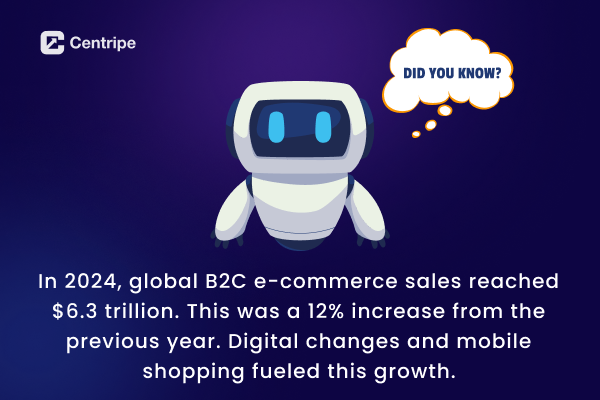
B2C businesses can reach large audiences now. This is thanks to better internet, smartphones, and cloud software.
From retail purchases, subscriptions to digital provides that the company provides. They are also inclined to increase the speed of transactions, provide convenience, and enhance personalization.
User experience is kept as a priority!
Digital B2C is now leading in the commerce model. Because that’s the only way in which every demand is fulfilled.
3 Types of B2C Sales Models
Direct Seller Model
No wholesaler or third-party retailers. Companies sell goods/services directly to customers.
They have full momentum and authority to control product offerings, pricing, branding, etc.
Direct sellers handle everything from sourcing or making products to managing orders. This helps them build stronger brand loyalty and offer personalised service.
Apple sells its devices and accessories through its official website and branded stores (offline + online), maintaining strict quality control and consistency.
Amazon, on the other hand, serves both as a direct seller and a marketplace too.
Pro Tip:
The direct seller model allows for higher profit margins but requires investment in logistics, customer support, and marketing to scale successfully.
Online Intermediaries
For B2C sales, this model has been a blessing. Compare what we had 20 years ago with now, and it feels like an evolution of a century.
Online intermediaries have reduced the hurdles between supply and demand.
They focus on creating marketplaces, product subscription services, or comparison sites to help customers find and purchase goods in a smooth and easy way.
Expedia and Trivago are travel booking sites that help you plan trips. Bonanza is an online marketplace that lets creators sell unique products. Google Shopping helps you compare prices.
These platforms usually make money from sales commissions or ad fees.
Now, they don’t own the product themselves, just take commissions for being the ‘middlemen’.
But they are focused on making the user experience great by giving them easy options to shop/return products.
Advertising-Based Model
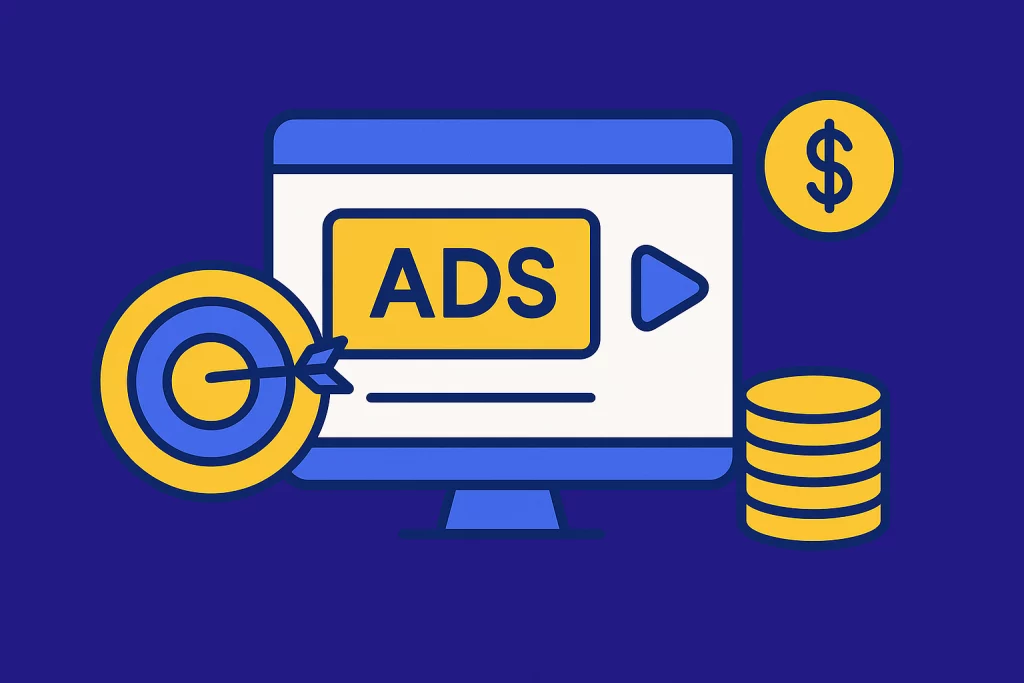
The Advertising-Based Model in the B2C business offers free content or services to draw in lots of visitors.
Users see ads and spend money. So this model brings in revenue by selling ad space to companies.
The focus is on drawing and keeping high web traffic by offering valuable content for free.
Examples include platforms like HuffPost and YouTube.
They offer news, videos, and more for free. But they include ads in or around this content.
Banners, videos, sponsored posts, or native ads are used by businesses. Many brands also rely on banner design tools to create engaging promotional visuals for digital advertising campaigns. Instagram and Facebook follow this model too.
They provide free services. However, they support these with targeted ads based on user behaviour and demographics.
This model helps consumers access free services or content. It also gives businesses effective, targeted marketing options. It relies on data-driven advertising and high user engagement to boost revenue.
No Spam. No calls. Unsubscribe anytime.
B2C Sales vs B2B Sales
B2C (Business-to-Consumer) Sales
This happens when businesses sell products or services directly to people for personal use.
These sales rely on emotional appeal. They encourage quick decisions and often have low to moderate prices.
The sales cycle is shorter. B2C is all about lifestyle benefits and convenience.
It is also one of the Centripe and gohighlevel features, that is systematically aligned within the system, so that there is no need of integraion.
B2B (Business-to-Business)
B2B sales occur when companies are selling their products/services to other businesses. Comparatively, this is a complex process.
They often have higher prices, longer sales processes, and involve several decision-makers. B2B sales depend on trust. It’s important to provide clear details, like ROI, and to build long-term relationships.
| Point | B2C Sales | B2B Sales |
|---|---|---|
| Decision-Making Unit | Typically an individual consumer or family | Multiple stakeholders: executives, managers, experts |
| Sales Cycle Length | Short, sometimes immediate purchase | Longer, involving consultations and approvals |
| Emotional vs. Rational | Emotion-driven purchases, impulse buying common | Rational, data-driven, focused on ROI and efficiency |
| Price Point | Usually lower, affordable on a single payment | Higher prices, often negotiated and contract-based |
| Sales Approach | Focus on quick rapport, offers, convenience | Relationship-driven, consultative selling, demos |
Conclusion:
Industry experts are saying that B2C sales are only going to scale up. The process had been made so easy, that anyone can start their small business by sitting at home.
All thanks to technology! Because at the end B2C is all about providing a great customer experience. And competition drives businesses to improve their products, to build loyalty.
It would be wise to adopt technology in business and scale up with tools. That’s where the success is. The earlier we learn AI and implement it, the more opportunities we have us.