
Sometimes a brand can get into trouble overnight. One small mistake turns into a big problem when customers start talking.
Maybe you’ve seen this happen: angry comments everywhere, and no idea how to calm things down. People want answers fast, and silence only makes things worse. It’s like watching a fire grow while you’re still looking for water.
Today, we are going to share real strategies that help you bounce back from a branding disaster, fix your reputation, and win back the people who matter. Let’s get into the steps that’ll turn this around.
Understanding the Anatomy of a Brand Crisis
Before diving into solutions, it’s worth understanding what you’re actually dealing with. Not all crises look the same.
Some crises come from product failures, recalls, or safety issues. Others emerge from communication missteps, like an insensitive social media post. Then there are operational breakdowns: data breaches or customer service disasters that spiral out of control.
What makes a crisis particularly damaging is speed. Social media acts like gasoline on a spark. One unhappy customer shares their experience, and within hours, thousands of people are weighing in, many who’ve never even used your product.
The emotional component matters too. When people feel betrayed by a brand they trusted, they feel personally let down. That emotional charge drives them to share their frustration widely. Understanding this helps you grasp why recovery can’t be superficial; you’re healing a damaged relationship.
Why Some Brands Never Recover (And How to Avoid Their Fate)
Some brands never bounce back from a crisis, not because the mistake was unforgivable, but because they handled the recovery wrong.
The first mistake is treating it like a short-term problem. Companies rush to put out a statement, offer a quick fix, and hope everyone forgets. But customers have long memories.
The second mistake is focusing on the wrong audience. Brands become obsessed with winning back critics who were never customers anyway, while neglecting loyal customers who actually want to see them succeed. Your recovery should prioritize people who already believed in you.
The third mistake is confusing reputation management with actual change. Some brands hire PR firms to spin the story or flood social media with positive content. But if nothing changes behind the scenes, customers see right through it.
Brands that successfully recover treat the crisis as a turning point. They rebuild slowly, focus on core supporters, and make real operational changes. The question isn’t whether you’ll face a crisis, it’s whether you’ll use it to become genuinely better.
7 Actionable Steps to Recover Your Brand’s Reputation
1. Face the Problem Head-On
The surest method of making a bad situation worse is remaining silent about it. Your customers would like to see you take responsibility for what has occurred, and doing it in a hurry keeps you in charge of the story.
But what is so important about speed?
They would want you to make some kind of statement within the first day. The researchers indicate that 78 percent of customers expect to receive responses within the initial 24 hours after the onset of an issue from the brand. Wait too long and you’re basically handing control to angry posts and rumors.
When you don’t speak up quickly, the story gets written without you. Small problems turn into huge disasters because people fill in the blanks with their worst assumptions.
Your audience does not want you to remain silent. When you go up immediately, it will demonstrate that you are not hiding or making excuses.
Listen: with each hour that you remain silent, your reputation gets another blow. The next thing is that human beings begin to believe you don’t care, and the loyalty is killed.
Early speaking will allow you to influence the next step and reassure anxious clients. Effective brand recovery starts with timely communication and transparency.
How to Address It Publicly
In that case, how should one raise a voice about the crisis?
Make a simple statement in all your key channels: through social media, on your site, perhaps even a press release. Be honest and tell people what happened, and write down what you are doing to remove it.
2. Say Sorry and Mean It
When your brand messes up, a real apology becomes your strongest tool. You’re probably thinking, Why does saying sorry matter this much?
People need to know you heard their frustration, and apologizing helps repair the connection between you and them. This sincere approach is essential for brand recovery and rebuilding customer relationships.
Research tells us 72% of people will stick with a brand that gives them a genuine apology after screwing up. That’s huge! When you admit you were wrong and show real regret, customers feel like their feelings actually count.
So, how do you write an apology that people believe?
Be real about it. Don’t hide behind fancy business language or vague statements. Talk like a human being.
When people can feel the emotion behind your words, it changes everything. A good apology isn’t just words on a screen. It’s about earning back trust.
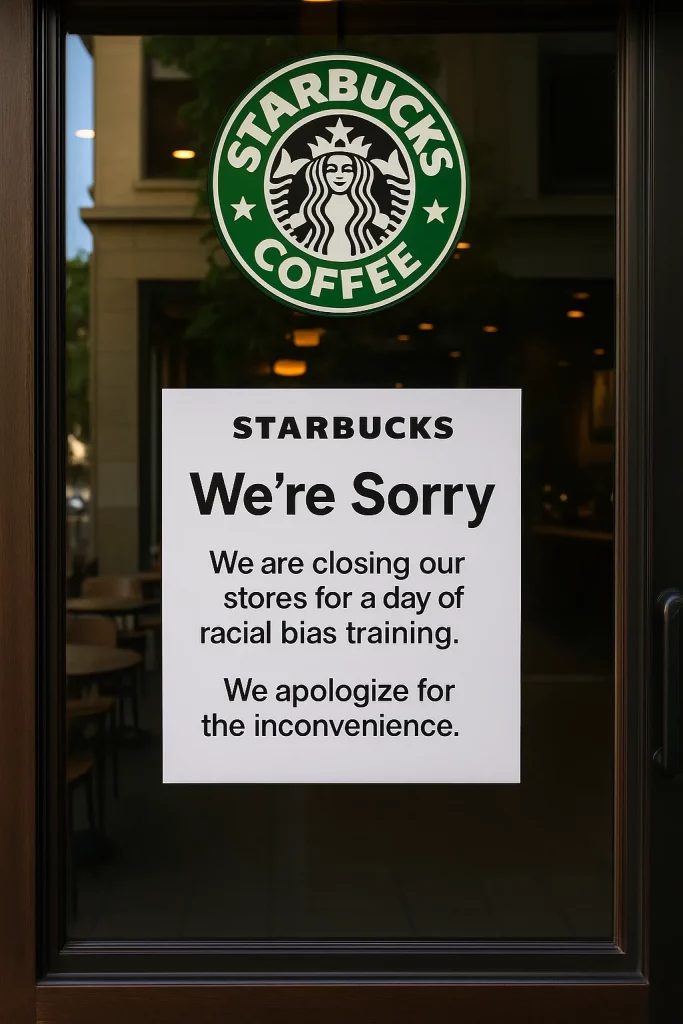
Look at what Starbucks did in 2018. Two Black men got arrested at a Philadelphia store for sitting without ordering, and the backlash was instant.
Instead of making excuses, Starbucks closed 8,000 stores for an afternoon to train 175,000 employees on racial bias. The CEO apologized personally and meant it. They didn’t just talk about change; they shut down business to make it happen.
3. Talk Directly to Your Customers
Once the trouble strikes, there is no substitute for meeting your customers in person (although it may be online). It may seem to you that face-to-face communication is not that important. It is just that: when things are rough, people want to know that you are actually listening.
Social media provides you with a direct communication line with customers. Prepare a social account crisis strategy and take the appropriate tools to monitor feedback, respond quickly, and ensure your online presence does not get out of control.
Check out social media management platforms that help you stay organized and respond to concerns quickly.
Here’s what works:
Answer Fast: When people comment with worries, jump on it. Responding shows you’re paying attention.
Share Real Updates: Post clear information about what’s happening and what you’re fixing. This keeps everyone in the loop and proves you’re being honest.
Some brands use video updates to explain things better. Having an actual person speaking gives a personal bond that cannot be achieved through text.
Another brilliant idea: organize a live Q&A, during which your customers will be able to pose any questions and have them answered immediately by a member of your team.
Direct engagement is a crucial component of successful brand recovery efforts.
You may as well include a support ticket system on your site. This lets customers send in their questions and concerns, and you can track everything to make sure nobody gets ignored during the crisis.
4. Actually Fix What Broke
Being sorry and discussing the issue is not just enough.
What’s next?
You have to take actual action that will show you that you are changing.
Start by digging into what actually went wrong. Look at how your company operates, talk to the customers who got hurt by this, and find the gaps that caused the mess in the first place.
When you are fixing something, you should know what you are fixing and make sure you tell people what you are fixing. Be specific about the measures you are undertaking to ensure that this does not happen again. If you’re training your team differently, say that. If you’re changing a product, explain how.
Here’s what matters: when you’re open about your fixes, people start believing in you again. Tangible changes demonstrate your commitment to brand recovery and long-term improvement.
5. Earn Back Their Trust
Getting trust back isn’t a quick fix. It takes time and real effort.
But how do you actually do it?
You need to be consistent and genuinely work on improving. One move that works: give something to the customers who got hurt. Maybe discounts, free stuff, or refunds.
Studies show people who get compensated for a brand’s mistake are way more likely to come back and tell others to give you another shot.
Beyond that, stay in touch and show you care about what your customers need. Share stories from happy customers who’ve had good experiences. Customer testimonials can accelerate brand recovery by showcasing positive experiences.
6. Remind Everyone What You Stand For
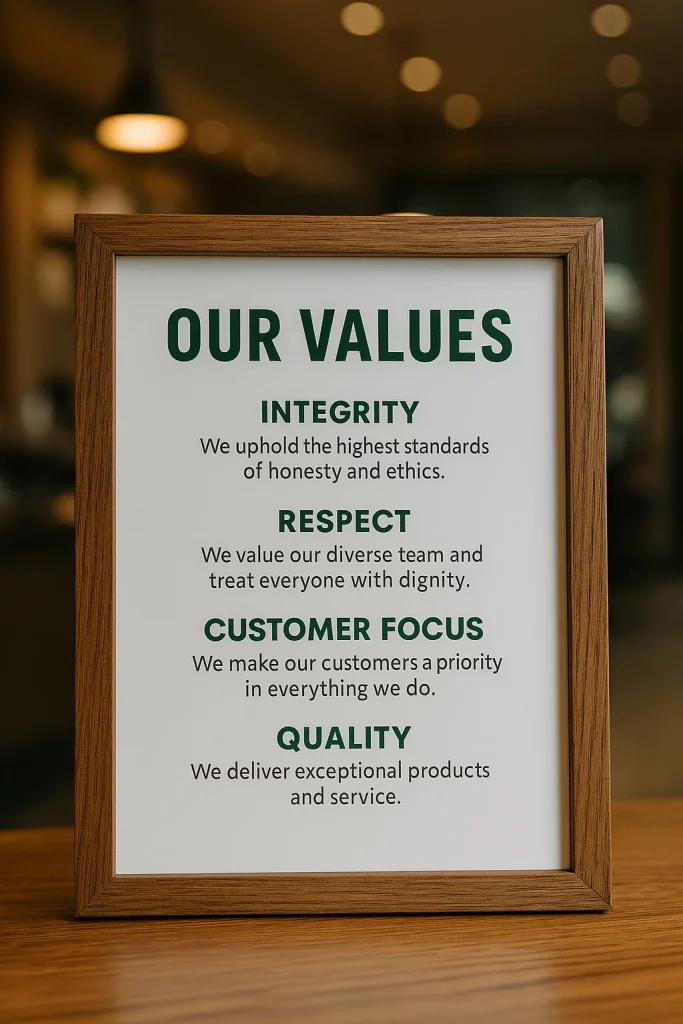
Once you have gone through a crisis, you should realign the fundamental beliefs of your brand. You are likely to be asking, What does this have to do with recovery?
It is also possible to remind people of your values to make them remember why they chose you in the first place. Return to your mission statement and what your brand believes in.
Whatever channels you possess, seek to inform customers of what you are and how those beliefs influence what you do, particularly when times become tough.
Ensure that your message is consistent everywhere. This assists in regaining trust, and your brand is well-oriented for the future.
Reinforcing your core values plays a vital role in brand recovery and repositioning.
7. Keep Watching How People See You
Surviving the crisis does not imply that you are over. You must be asking yourself how to prevent the occurrence of this again.
You should monitor the opinion of the individuals towards your brand. Get tracking tools, which would tell you what the customers are saying about you and whether they can recall who you are.
These tools identify issues before they explode, thus enabling us to fix them early.
But that is not all: have regular checkups on the health of your brand. Examine reviews of comments posted by customers and see how individuals interact with you. Continuous monitoring is essential for sustained brand recovery and preventing future crises.
Remember, talking directly with your audience builds a community around your brand, and that’s critical for keeping your name out there in a positive way.
No Spam. No calls. Unsubscribe anytime.
Final Thoughts
In a branding crisis, you’re stressed, customers are upset, and everything seems to happen too fast. But it can be fixed when you act quickly and do the right things.
When you speak up, say sorry, and actually fix what went wrong, people notice. A small shop I knew once messed up dozens of orders in one week, and customers were furious. But the owner refunded everyone, explained the mistake openly, and slowly won back the same people who were shouting at him before.
In the same way, your brand can rise again. Stay honest, stay present, and keep improving even after the storm calms down.
Successful brand recovery requires patience, consistency, and genuine commitment to change.
